
Enhancing Curb Appeal with a Beautiful Wooden ..
Aug 09 - 2026
09
Aug
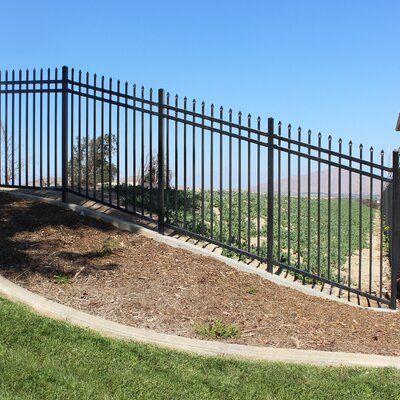
This guide is for homeowners looking to enhance their property with a durable metal fence. The goal is to provide practical insights into the installation process, inspired by the image of a metal fence in a landscaped setting.
When planning your metal fence installation, it's crucial to set a realistic budget that includes materials, labor, and potential permits. Timing can vary based on weather conditions and contractor availability, so plan ahead. Hiring experienced tradespeople is essential for ensuring proper installation and compliance with local codes. Before work begins, clear the area of debris and mark property lines to avoid disputes. Common mistakes include underestimating material costs and neglecting to check local zoning regulations.
For a metal fence installation, start by determining the layout and marking post locations. Dig post holes to a depth that meets local frost line requirements, ensuring stability. Use concrete to secure the posts, allowing adequate curing time. Attach the metal panels or pickets to the posts, ensuring they are level and evenly spaced. Finally, install any necessary gates, ensuring they swing freely and align properly with the fence line.
Common materials for metal fencing include aluminum, wrought iron, and galvanized steel. Aluminum is lightweight and resistant to rust, making it a low-maintenance option but may lack the strength of wrought iron. Wrought iron offers a classic aesthetic and durability but requires regular maintenance to prevent rust. Galvanized steel is robust and resistant to corrosion, making it suitable for various climates, including Northern California's diverse weather.
Consider the fence's purpose, whether for security, privacy, or aesthetics, as this will influence the height and style. Assess the terrain to ensure proper drainage and avoid areas prone to flooding. Plan for access points, ensuring gates are conveniently located. Lighting should be considered for safety and visibility at night. Lastly, coordinate the installation sequence with any landscaping work to avoid damaging plants.
Regular maintenance for metal fences includes inspecting for rust or damage and applying protective coatings as needed. Clean the fence periodically to remove dirt and debris, which can contribute to corrosion. Check for loose panels or posts and tighten or replace them promptly to maintain structural integrity.
Installing a metal fence may require permits, especially if it exceeds a certain height or is located near property lines. Always check with your local building department for specific regulations and safety codes. Ensure that the installation does not obstruct visibility for drivers or pedestrians, which may also be subject to local ordinances.
Hiring a licensed contractor can ensure that your metal fence is installed correctly and meets all local codes. Look for contractors with experience in fencing projects and check their references. Quality checkpoints include verifying the alignment of posts, the stability of the fence, and ensuring that gates function properly. Regular communication with your contractor throughout the project can help address any concerns promptly.
Space: Metal Fence Installation · Style: Modern · Materials shown: metal, aluminum, wrought iron, galvanized steel · Palette: black, green, brown, blue
A well-planned approach helps you avoid costly surprises and get results that match how you actually use your home.
Thinking about a similar look for your home? Top Tier Renovation LLC can help — request a free consult at TTRBuilders.com or email info@TTRBuilders.com.
Homeowners planning a similar project may also want to explore Patios & Hardscape Guides and Outdoor Living Project Ideas.
Additional resources on our site include Outdoor Living & Deck Projects and Designing an Inviting Outdoor Living Space with Patios.
Written by Top Tier Renovation LLC. Reviewed by TTR Builders Editorial Team.
Aug 09 - 2026
Aug 09 - 2026

Aug 09 - 2026
Aug 09 - 2026